
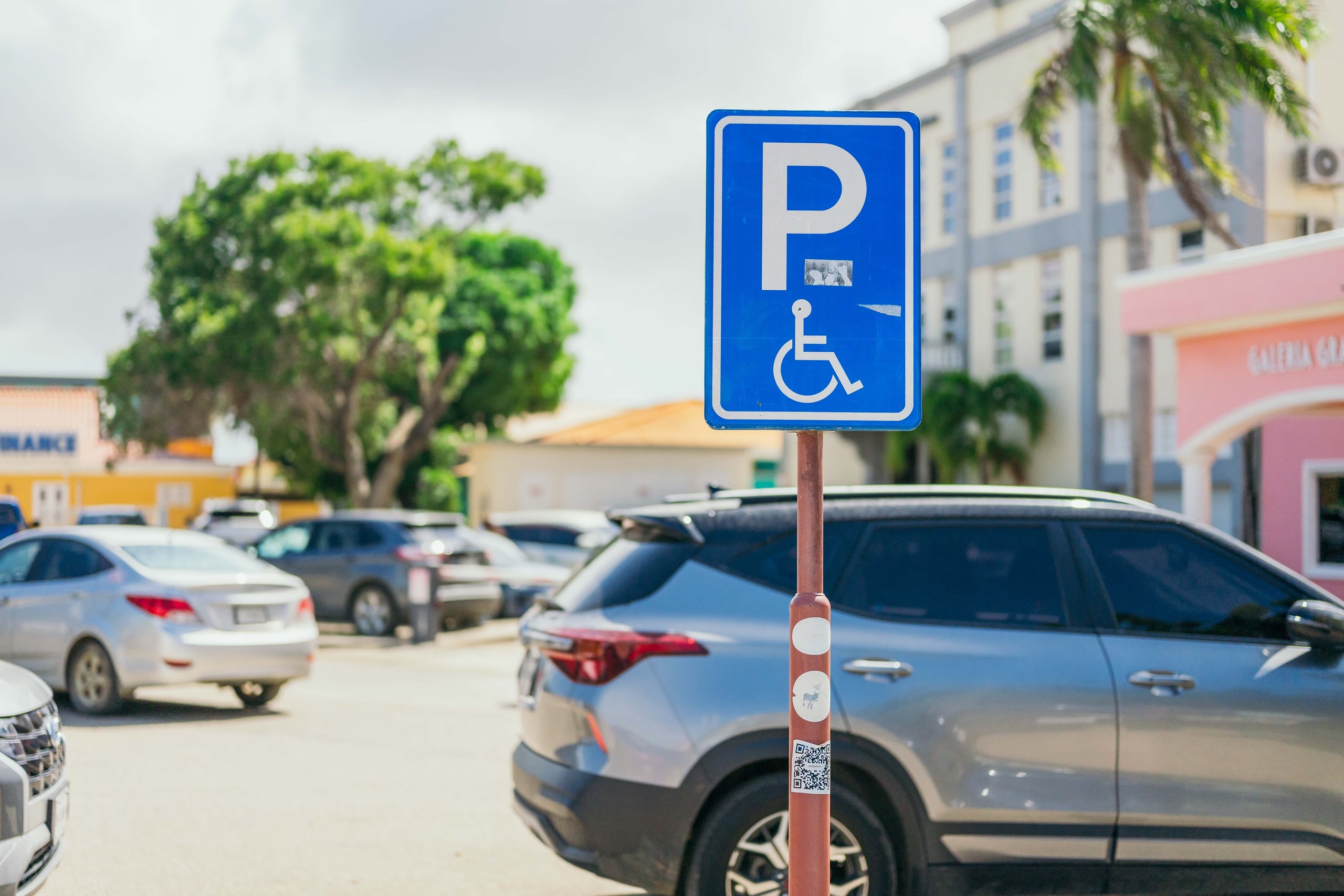
Working or going to school, doing groceries, exercising, doing fun activities with friends. These are all part of everyday life. Yet this is not always a given for people with disabilities. In the Caribbean Netherlands, the same rules and resources for people with disabilities do not yet exist as they do in the European Netherlands. As a result, their rights on the islands are under additional pressure and not everyone can fully participate in society.
Residents of the Caribbean Netherlands with disabilities still face many barriers in daily life. For example, in traveling, accessing education, finding and keeping work and visiting public places. An important international treaty that supports and improves the rights of people with disabilities is the United Nations Convention on the Rights of Persons with Disabilities (CRPD). This treaty has applied in the European Netherlands since 2016. For the Caribbean Netherlands this important human rights treaty still does not apply.
What is the UN Convention on the Rights of Persons with Disabilities (CRPD)?
The UN CRPD states that people with disabilities must be able to participate fully in society, just like anyone else. Everyone has the right to live independently, attend school, use public transport and be employed. And to make decisions for themselves, for example when it comes to money. If that is not possible, the person must at least receive support.
The government must also involve people with disabilities in decisions about regulations and policies. This is an important obligation under the treaty.
Who is the UN Convention on the Rights of Persons with Disabilities (CRPD) for?
The treaty applies to everyone with a disability or chronic illness. Many people think of a wheelchair user or someone who is blind, but there are also many invisible disabilities such as deafness or autism. A disability can be physical, mental, intellectual (when someone learns or understand things a bit slower) or sensory (like blindness or deafness). According to the treaty, society must take all these people into account.
Who is responsible for implementing the treaty?
Under the UN CRPD, the government is required to make society more accessible and inclusive. This means that they must ensure that everyone can make use of parts of society, and that people also feel part of society. This includes participation in education, healthcare, employment and public services such as public transport. Digital accessibility is also important, such as access to websites, applications and other online content.
Institute: UN CRPD must also apply to the Caribbean Netherlands
The Institute is the supervisor for the UN CRPD in the European Netherlands. This means it is our official task to monitor how the Convention is being implemented. There should not be a difference in how a treaty applies in different parts of the same country. The Institute therefore strongly advocates for this treaty to also apply to the Caribbean Netherlands, so that the situation of people with disabilities on the islands can improve. In the video below we explain more about this.
The Institute also works to make the rights of people with disabilities better known in the Caribbean Netherlands. And to make the stories of people with a disability more visible. For example, read the story of Jurgen and his mother Maya, who live on Sint Eustatius. The Institute has also made several visits to the Caribbean Netherlands to gain a clear picture of the current situation for people with disabilities. This ensures that, once the Convention also applies on the islands, we can take further action as the official supervisor.
Government plans
The Ministry of Health, Welfare and Sports (VWS) is responsible for implementing the UN CRPD in the European Netherlands and plays an important role in having the treaty being implemented in the Caribbean Netherlands. The government has officially stated that they intend to apply the treaty on the islands. The Institute has been calling on this for years and believes the process is taking too long. There is still no concrete timeline. At the end of 2024, the Institute sent a letter to the House of Representatives to increase pressure. In September 2025, the Institute again stated in a letter that it is taking too long.
There is also good news. The government is working on a program to improve accessibility and participation in the Caribbean Netherlands. This is included in the work agenda (or: the plan) for the UN CRPD for the coming years. Accessibility means that everyone, including people with disabilities, can use and understand parts of society. Participation means being able to contribute to decisions on issues that affect people with disabilities. The government will involve people with lived experience from the islands in this program. People with disabilities will therefore also have a voice.
Discrimination based on disability or chronic illness
From 2026, the Equal Treatment Legislation will also apply in the Caribbean Netherlands. The Institute has strongly advocated for this. This means that people can file a complaint with the Institute if they believe they have been discriminated against, for example because of their disability. The Institute can then issue a decision on whether discrimination has occurred. You can read more about this on our page about the right to equal treatment.