
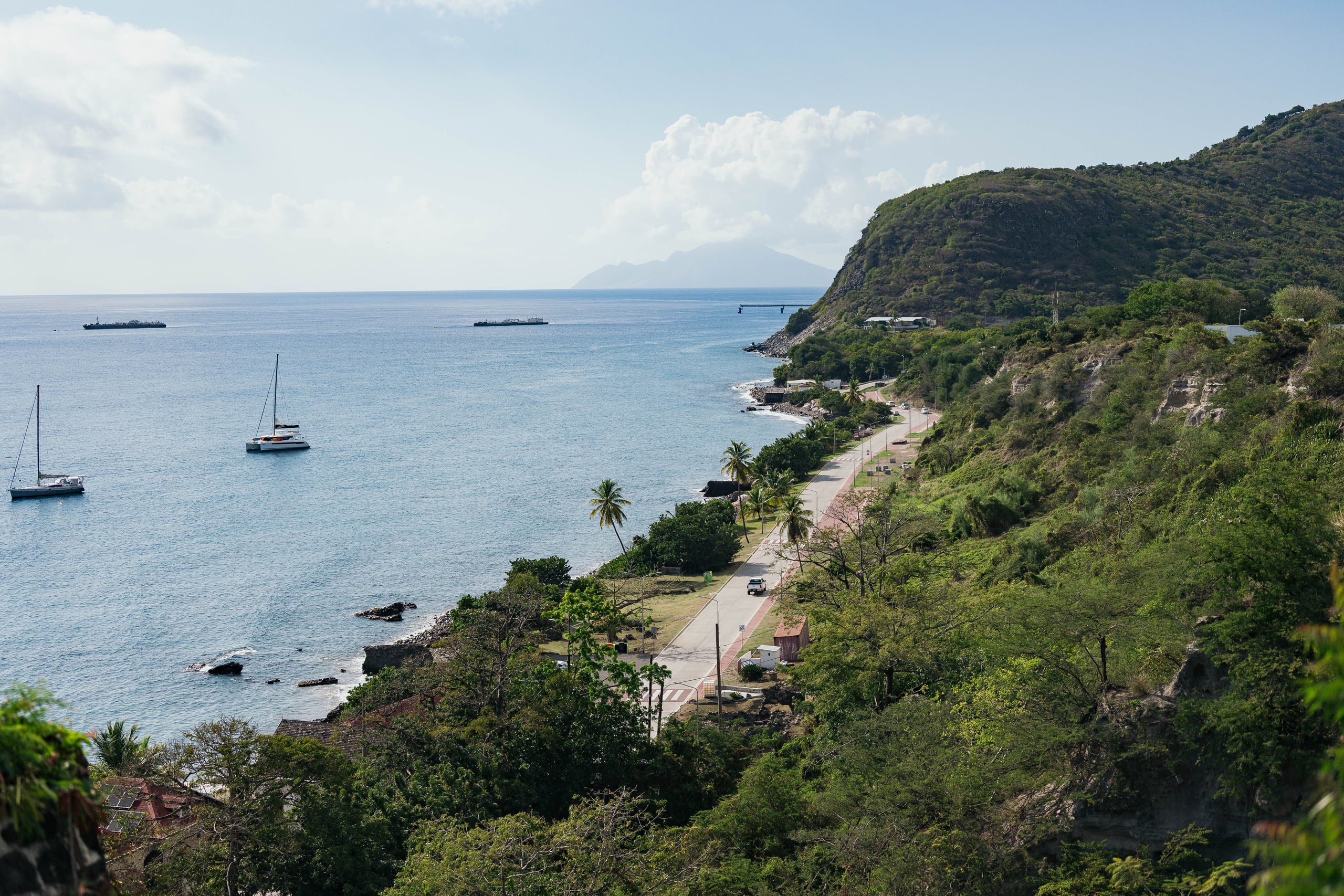
A clean, healthy and sustainable environment is important for everyone. This includes safe drinking water, clean air and an environment free from harmful substances. In the Caribbean Netherlands, the right to a clean, healthy and sustainable environment is at risk. This is partly due to climate change, waste management problems and pollution. But also, because of insufficient regulations and enforcement.
Official human right with major impact on other rights
In 2022, the United Nations officially recognized the right to a clean, healthy and sustainable environment as a human right. Several countries, including the Netherlands, have not yet incorporated this right into their national law. Internationally, various organizations are exerting pressure to have this right included. This is urgent, because climate change, environmental pollution and loss of biodiversity are having increasing impact.
The right to a clean, healthy and sustainable environment is very broad and is connected to various human rights. For example, flooding, heat or toxic emissions from a factory can violate the right to health. Or even the right to life if people die as a result. Another example: due to climate change, people may no longer be able to live in certain areas and must move to another location, or even to another country. This affects the right to private and family life. Precisely because the state of the environment impacts human rights, protecting it is even more important.
Problems for the living environment in the Caribbean Netherlands
For residents of Bonaire, Sint Eustatius and Saba, the right to a clean, healthy and sustainable environment is under pressure. This is due to problems with waste processing and pollution, the decline of nature and biodiversity, and erosion of the coastline.
These challenges are connected to rules that do not have sufficient impact, and to problems with issuing permits, monitoring and enforcement. In addition, residents are often not involved in decisions to improve the situation, even though international agreements state that residents have the right to participate in discussions and decisions that affect their living environment.
Climate change on the islands
The consequences and risks of climate change are especially visible in the Caribbean Netherlands. The risk of floods, storms and heatwaves is increasing. People can lose their homes and be in life-threatening situations during severe storms or floods. Bonaire is a lowly situated island and therefore especially vulnerable to sea level rise and flooding. Sint Eustatius and Saba are in the hurricane belt, where tropical storms and hurricanes regularly cause damage.
For all three islands, the dying of coral due to high water temperatures is a major issue. It damages the ecosystem and reduces biodiversity. It also reduces the availability of food and makes the coast more vulnerable to rising sea levels. This also has economic consequences, amongst others for fishing and tourism. Compared to the European Netherlands, sustainable policies to limit these risks lag behind.
Court case on Bonaire shows importance of climate action
An important court case is currently pending in the Kingdom of the Netherlands, brought by eight residents of Bonaire. On January 11, 2024, they filed a lawsuit against the Dutch State together with Greenpeace Netherlands. They argue that their human rights are being violated because the State is not doing enough to protect residents of Bonaire against climate change. They want to be protected just as well as residents of the European Netherlands.
In October 2025 the case will continue. This lawsuit will show whether the Dutch government is doing enough to protect residents from the consequences of climate change.
More government action needed
At present, the right to a clean, healthy and sustainable environment is not regulated in the same way throughout the Kingdom. In the European Netherlands, protection is often stronger than in the Caribbean Netherlands. The Institute believes that this right should apply equally to everyone. We call on the Dutch government and local authorities to officially recognize this right and apply it equally.
This involves not only addressing climate risks, but also the basic requirements that go with it. Those include clear rules for the environment and health, proper oversight, and the right of residents to participate in discussions and decisions. These obligations are laid down in international human rights treaties and therefore also apply to the Caribbean Netherlands.
For climate change, this means the government must do more. They must research the risks and possible solutions for the islands and convert this knowledge into real policies and measures. The Netherlands is known around the world for its expertise in water management. It is time to apply that knowledge consistently for the Caribbean Netherlands. This is in line with a ruling of the International Court of Justice in July 2025, which confirmed that countries are obliged to take climate measures to protect the human rights of their residents.